Mayan Ruins: Top Pyramids and Ancient Sites To Visit
How To Explore Ancient Ruins in Mexico
By Melissa Alvarado Sierra | Published: July 16, 2025 | Updated: May 7, 2026
Contrary to popular belief, the Maya still exist in Mexico and other parts of Central America. Close to seven million people belong to a Mayan community, practicing some of the traditions from the ancient world and speaking some of the many Mayan languages. Their ancestors built majestic cities, many of which can be visited and explored today.
Some Mayan ruins are well preserved, while others contain only remnants of their great past. No matter which one you visit, you'll learn the mystical stories of the people who built a revered civilization.
This guide covers nine of the most popular Mayan ruins in Mexico.
Key Takeaways: Where Are the Mayan Ruins in Mexico?
- ● Chichen Itza, Calakmul, Tulum, Ek Balam, Coba and Uxmal are in the Yucatan Peninsula.
- ● Palenque is in Chiapas.
- ● Monte Alban is in Oaxaca.
- ● Teotihuacan is in the State of Mexico.
- ● For the best experience, visit these ancient Mayan ruins before or after a Mexican cruise.
1. Chichen Itza
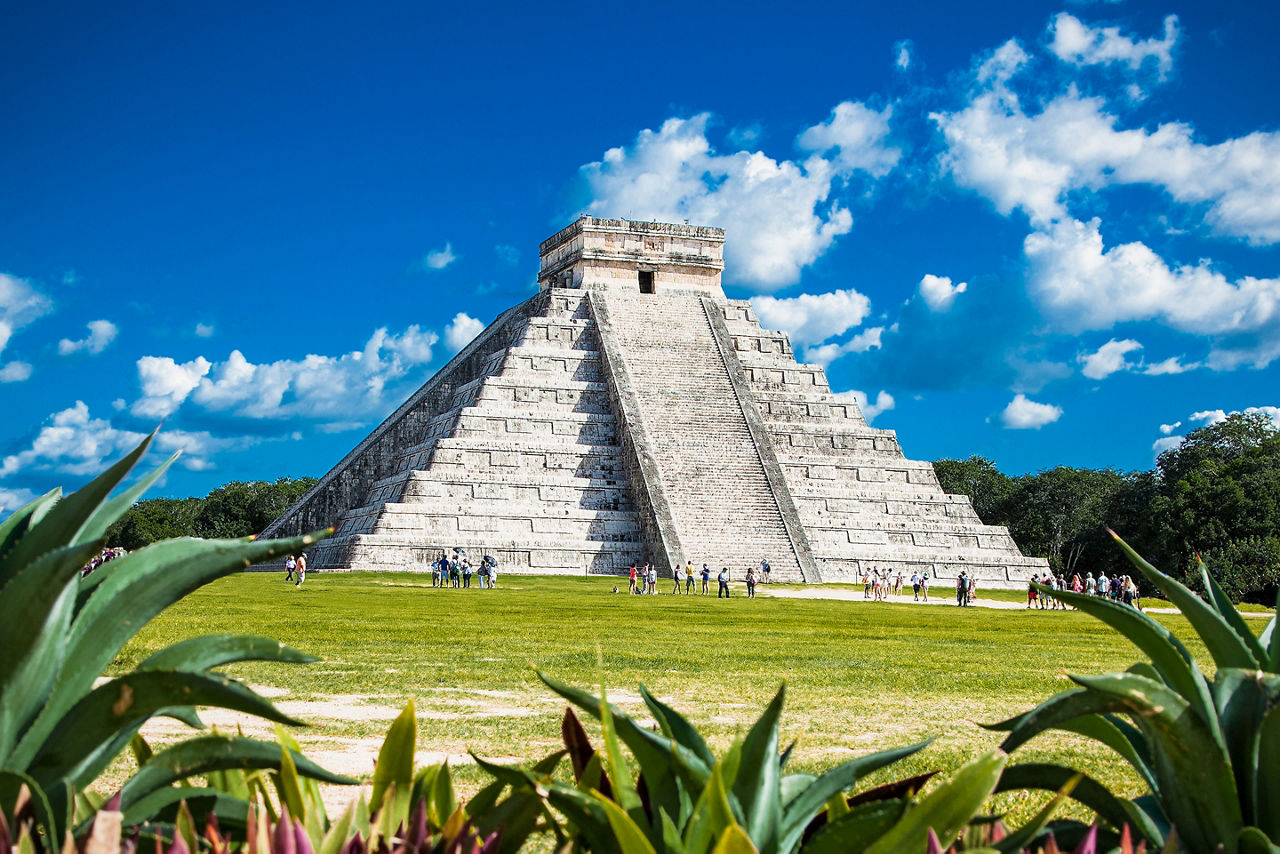
The sacred and pre-Hispanic city of Chichen Itza is one of the most famous Mayan ruins in Mexico, with a history spanning almost a thousand years. The structures are an example of fusion Mayan architecture and show how the Maya and Toltec people blended traditional Maya construction styles with highland and Puuc styles.
But Chichen Itza is more than just a famous ruin. It's also an ancient observatory and a place where the Maya could indulge in their sky-watching obsession. Proof of this love for astronomy can be found in the carvings that adorn the pyramids, where hieroglyphs depict the celestial cycles. El Castillo and El Caracol pyramids are perhaps the most astronomy-focused structures — both were built the way they were so their features would align with the moon, the rise of the planets, the solstices and the equinoxes.
Besides its beauty and history, Chichen Itza also holds many secrets. One of the most celebrated is the dormant giant snake that reveals itself across El Castillo at certain moments during the year. This deity is known as Kukulkan and appears to be climbing the pyramid's 365 steps during the spring and autumn equinoxes, each representing one day of the year.
Another Chichen Itza sacred secret is Cenote Sagrado, which is a hidden sinkhole beneath the site. It’s believed that the cenote was used during Maya ceremonies, including during human sacrifices to the god of rain. Bones and jewelry have been found inside the sinkhole.
2. Tulum
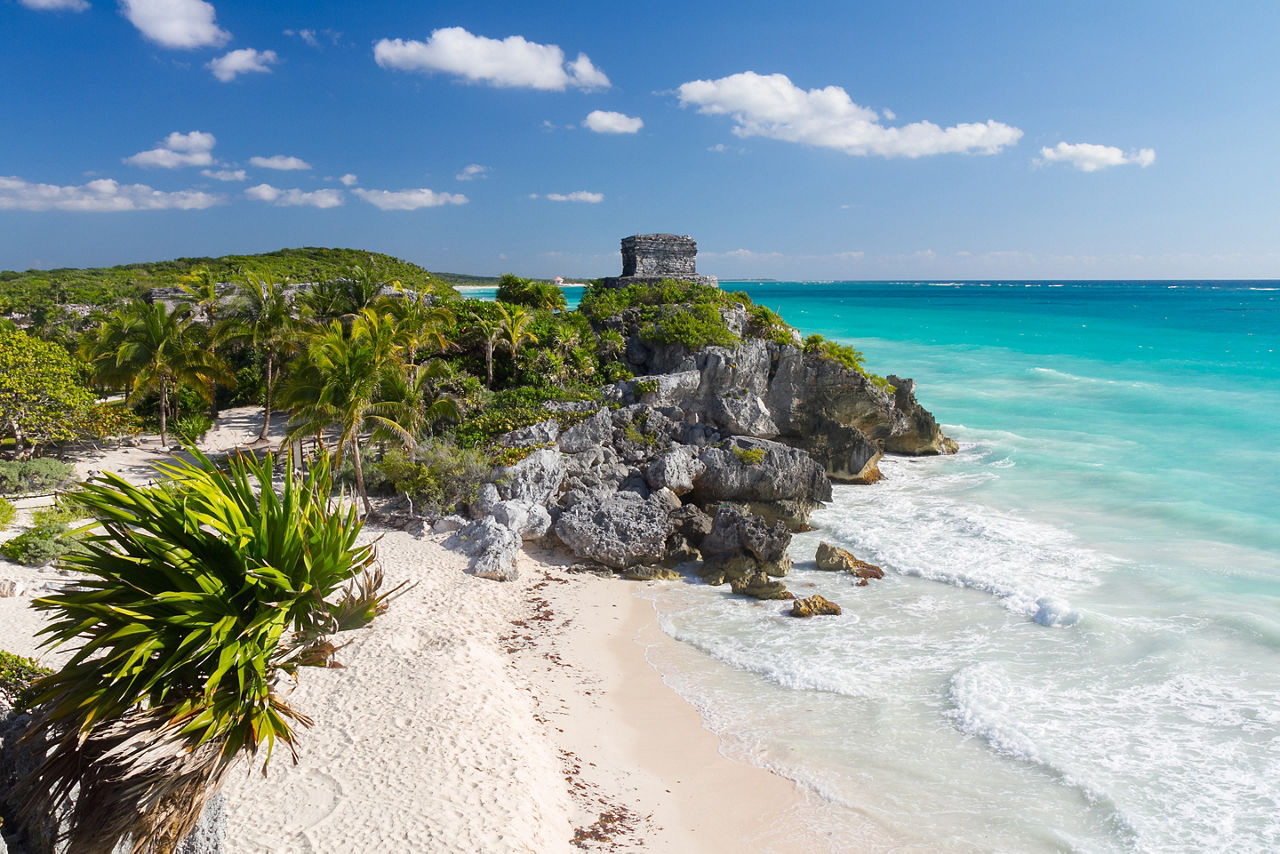
Tulum's Playa Ruinas, which is located in the Riviera Maya, is probably one of the most-photographed beaches in Mexico, likely because it's an idyllic backdrop for social media photos. Beach-seekers and yoga enthusiasts come here from around the globe and visit the famed ruins that are near a turquoise sea and bright white sand.
El Castillo is Tulum's most popular ruin, and it's located on a clifftop because its original purpose was to serve as a watchtower. El Castillo is almost as popular with tourists as Chichen Itza and Teotihuacan, and several of its Mayan temples and castles date back to pre-Columbian times.
These ruins may be on a smaller scale than others in Mexico, but Tulum more than makes up for this with its paradisiacal Mexican landscape. Tulum, also known as "the walled city," served as a trading port and some of its structures also date back to the Post-Classic period. When the Spanish arrived, Tulum was still a bustling city.
Don't miss the Temple of Frescoes, El Castillo and, of course, the beach at Playa del Carmen, Akumal or any of the other popular ocean spots.
3. Coba
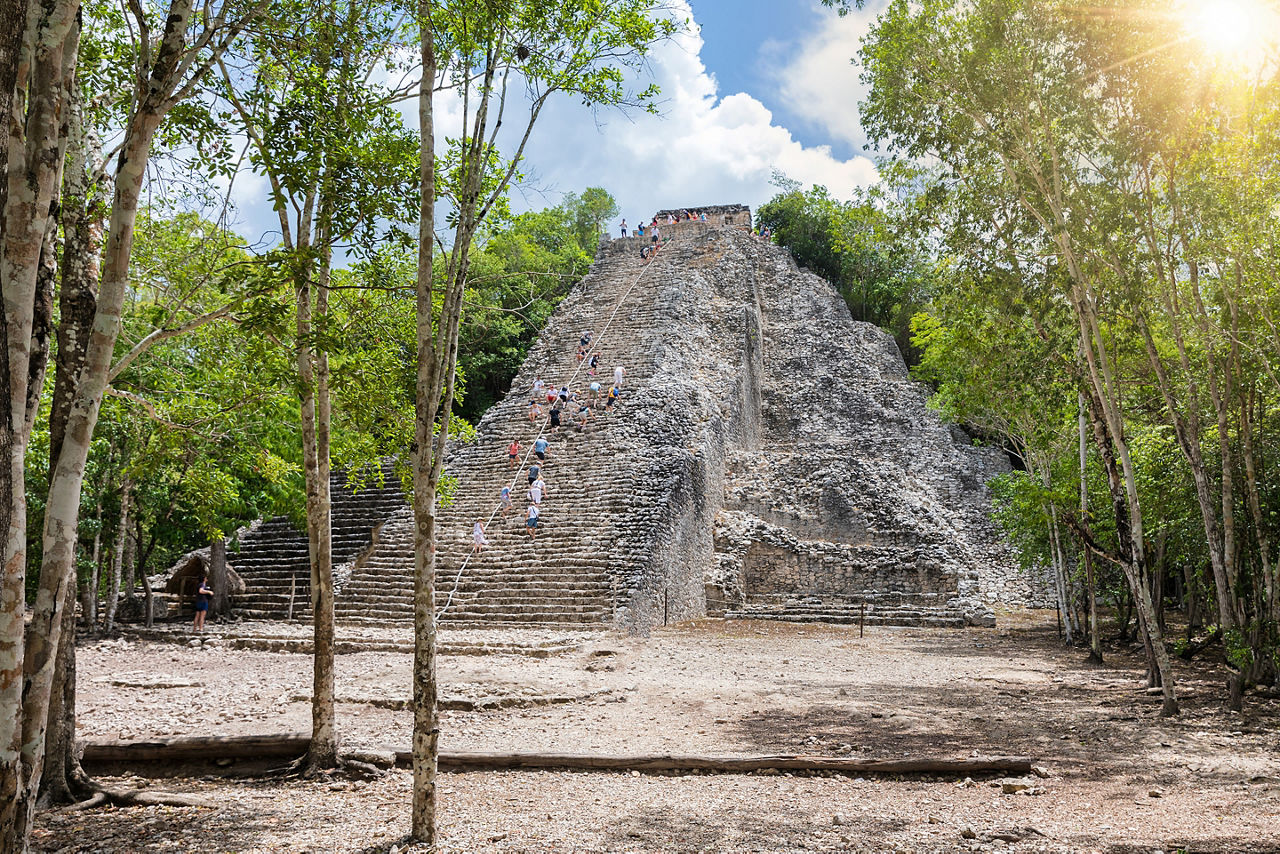
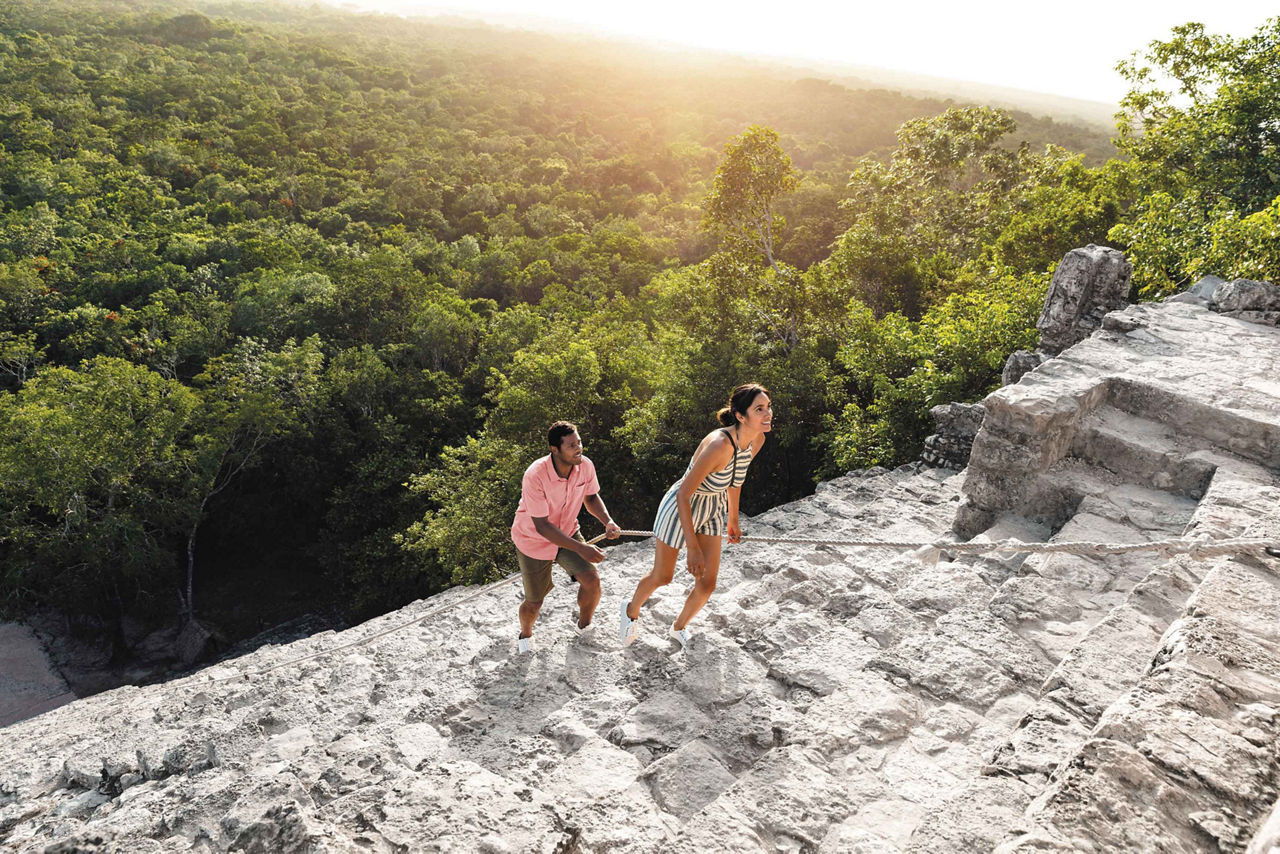
This ancient site is located in Quintana Roo, which is about 25 miles from Tulum. Coba means "water stirred by wind," and the city was first settled around 100 B.C. It's a beautiful, picturesque town surrounded by a bright green jungle. The ruins are spread out across the jungle, but are easy to find. Originally, Coba was home to about 50,000 people and was famous for having a system of roadways, or “sacbes,” as well as many monuments. The ruins house two big lagoons, and most of it remains unexcavated because of its recent rediscovery. In addition, excavation efforts were stalled by the Caste War and a lack of money to fund an excavation.
The main attraction in Coba is the ancient pyramid, which has 130 steps that visitors can hike to reach the very top. For views of Yucatan, visit the Nohoch Mul Pyramid, where you can see the two lagoons as well as restricted areas like Macanxoc. Head to the Coba Group area to see the church or to Conjunto de Pinturas for a peek at the Pyramid of the Painted Lintel, which has a variety of artwork.
The monuments are located in Coba Stelae and depict the clothes, rituals and roles of the people who lived there. The hieroglyphs also show the social rituals and political structures of the inhabitants, including the dates of and stories about major events in the town.
4. Palenque
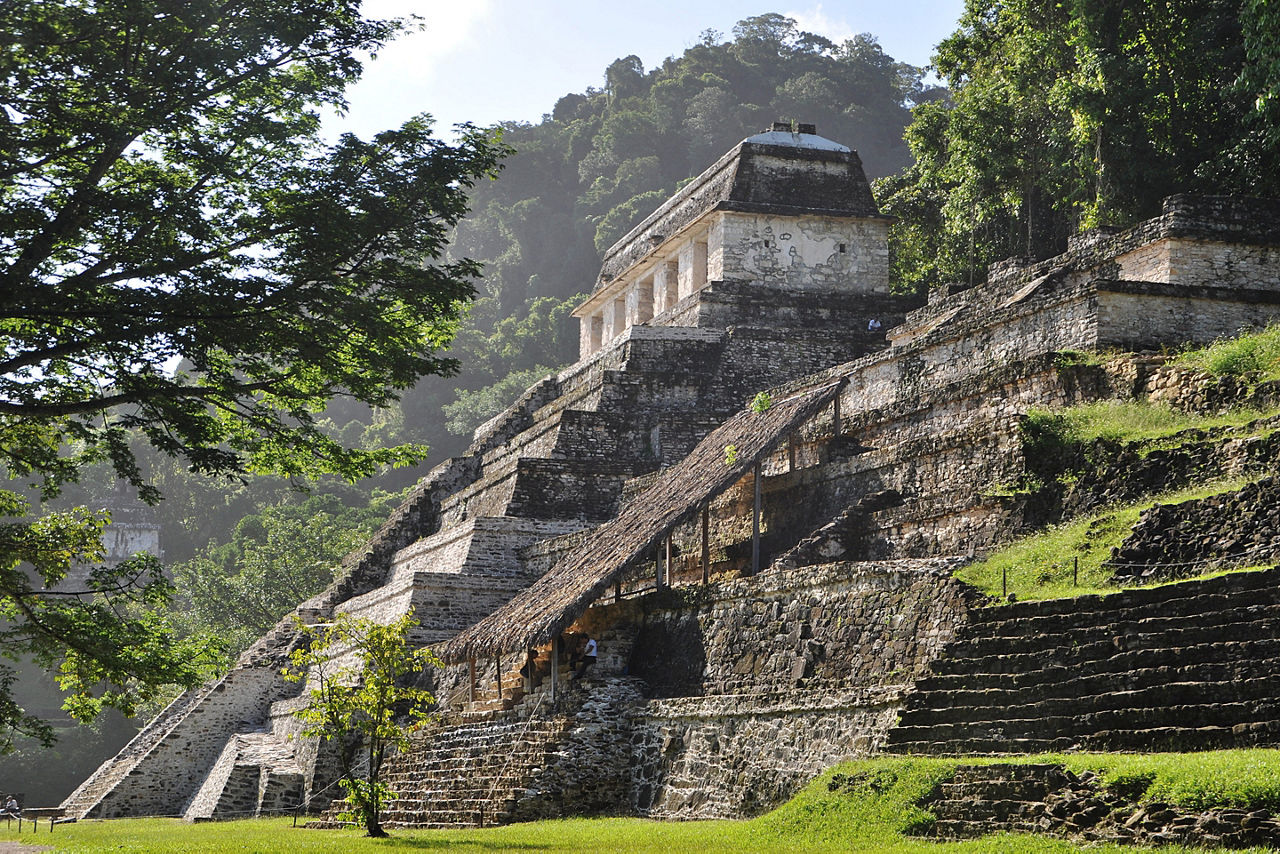
UNESCO describes Palenque in Chiapas as a prime example of a Mayan sanctuary. The craftsmanship here is famous for its elegance, demonstrated in the sculpted reliefs, which portray typical Mayan themes. The interior spaces are wide with many openings. The space also includes galleries decorated with sculptures and stucco, something rarely seen in other ruins.
This is the place to visit to experience Mayan civilization ruins against a backdrop of Mexico's beautiful jungles. The sounds of Saraguato monkeys and parrots add to the magic of the temples of Palenque, and the road to the site is lined with beautiful and refreshing waterfalls. On the south side, you'll find the archaeological zone of Toniná, and in the east, across the Lacandona jungle, the ancient cities of Bonampak and Yaxchilán.
One of the most interesting things about Palenque is that hieroglyphs show how the Maya communicated. Their words are carved all over the walls, and scholars have found this incredibly useful when researching the ancient Mayan logograms to find ways to decode them. They found that the Maya living here wrote about trade, alliances and even war.
5. Calakmul
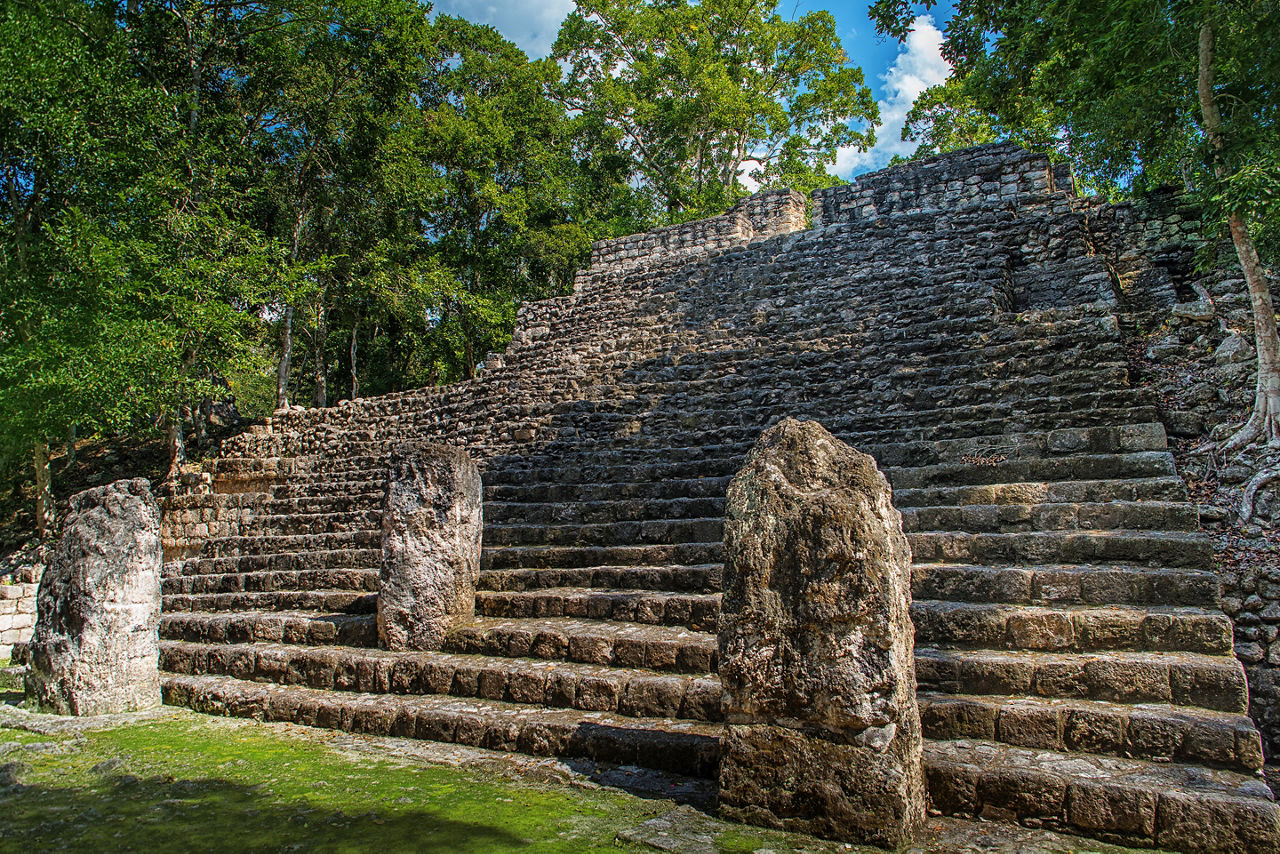
Calakmul in Mexico is in the center of the Reserva de la Biosfera Calakmul, located near a lush jungle filled with parrots, toucans and turkeys. Hundreds of bird species call this magical place home, along with Saraguato and howler monkeys. You might even spot a jaguar.
Many buildings from the original site survived in Calakmul. Because it’s very remote and because the dense forest almost completely conceals it, the site remained untouched for hundreds of years until American botanist Cyrus Lundell found it in 1931. The ancient city holds thousands of structures, and only a small percentage of them are currently excavated, restored and open to visitors.
In its glory days, Calakmul was home to about 65,000 people. The area included canals and reservoirs and the residents survived by using an intricate farming system. The Maya who lived here also depicted images of their daily life on murals, and some of these were only recently discovered.
The Great Pyramid is perhaps the most-visited and famous structure here. It has a base of about five acres, and it's 175 feet high, making it the tallest in the Yucatán Peninsula.
6. Monte Alban
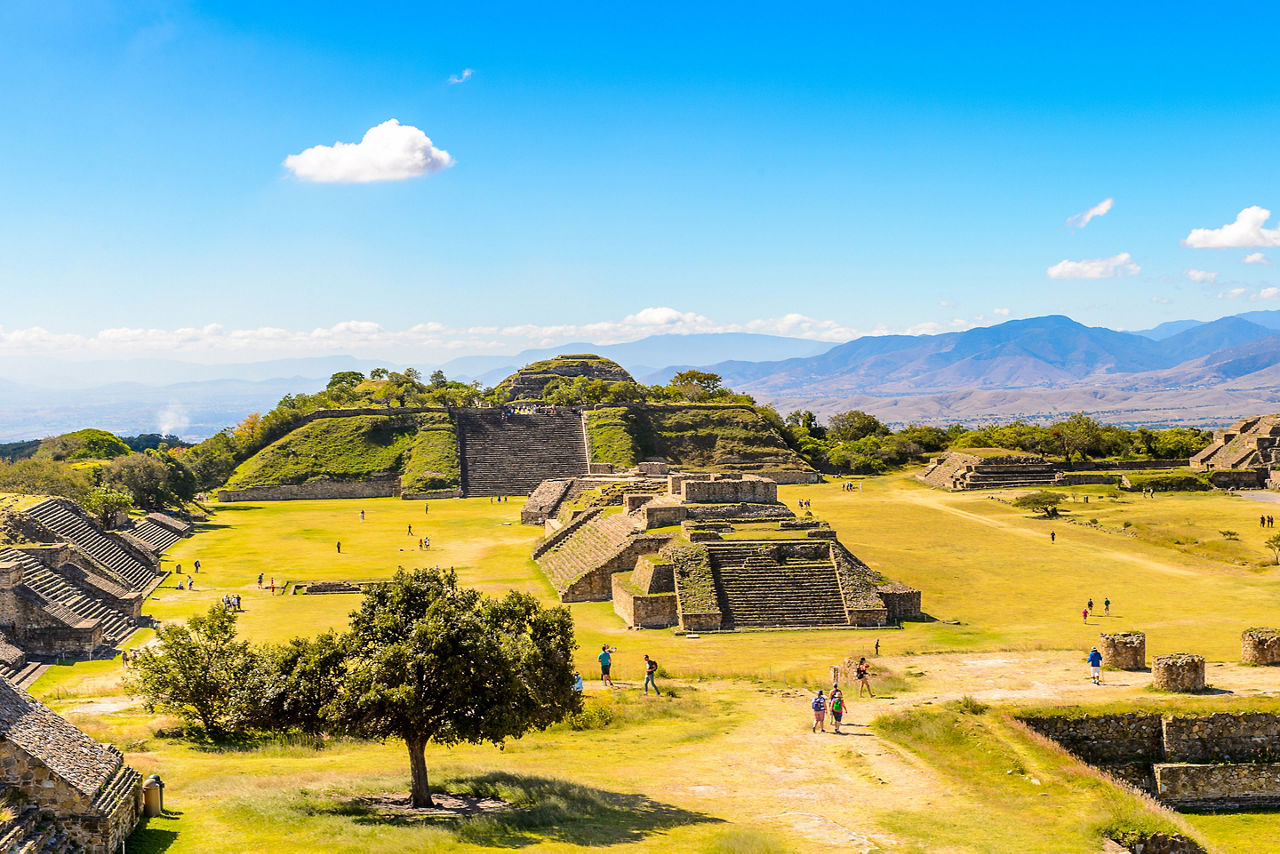
Monte Alban was built on a hilltop and has panoramic views of the ruins of this once-dominant empire. It was inhabited for more than 1,500 years by Zapotecs, Olmecs and Mixtecs, all of whom predated and influenced the Maya. These groups built dams, canals, pyramids and mounds in Monte Alban, creating a fascinating topography. According to scholars, the buildings were built to withstand earthquake activity.
This UNESCO World Heritage Site has two distinct areas:
- ● Oaxaca de Juárez, the historic center.
- ● Monte Alban, home to the ruins.
The archeological section was founded around 500 B.C. and was the home of more than 30,000 people. It still has a ballgame court, observatory, religious temple, pyramids, tombs and drawings carved on hundreds of stones.
One unmissable area here is Plaza de los Danzantes, a square where visitors can see petroglyphs of muscular men dancing. Scholars say the images depict men performing a ritual dance as a captured enemy is tortured. Other hieroglyphs show a calendar, including one that's aligned with the polar star that points to the north.
7. Teotihuacan
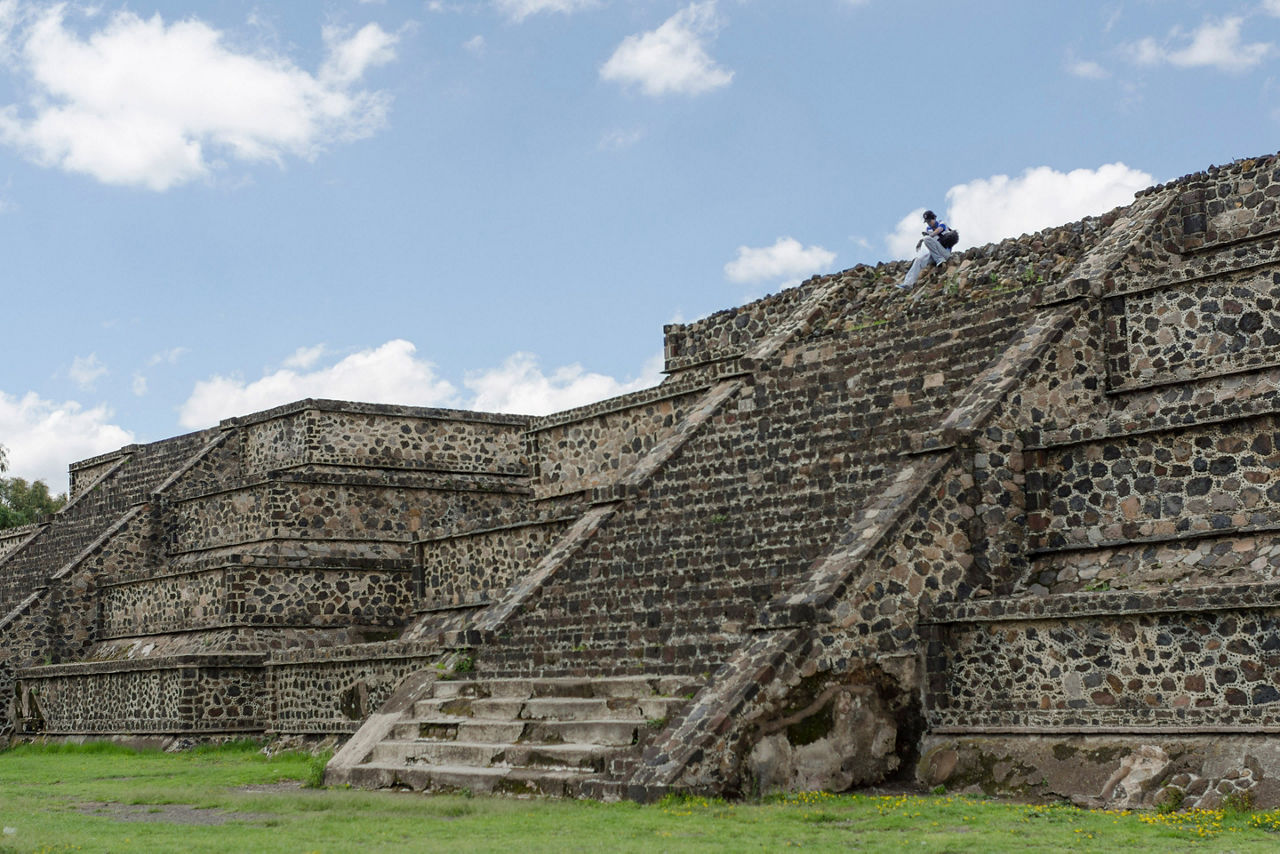
Teotihuacan is an ancient Mesoamerican site located north of Mexico City. It was settled around 400 B.C. and was one of the most powerful cities in the region. The city was lived in, then abandoned, by different groups for hundreds of years until it was discovered by the Aztecs in the 1400s. Its past is unknown, as is exactly who built the monumental site. However, its architecture, carvings and other aspects of the site resemble those settled by the Maya.
Teotihuacan contains many plazas, temples, pyramids and apartment compounds, and the most famous structures are the Pyramid of the Moon, the Pyramid of the Sun and the Temple of Quetzacoatl.
The religion of the people who inhabited Teotihuacan is difficult to discern because of the mystery surrounding the area, but its architecture demonstrates that this was a polytheistic society. The main deity was the Great Goddess of Teotihuacan, who is depicted as a spider.
The complex inspires all who visit because of its technological and architectural marvels. Many call Teotihuacan Mesoamerica's greatest city and a must-see on any Mexico cruise vacation.
8. Ek Balam
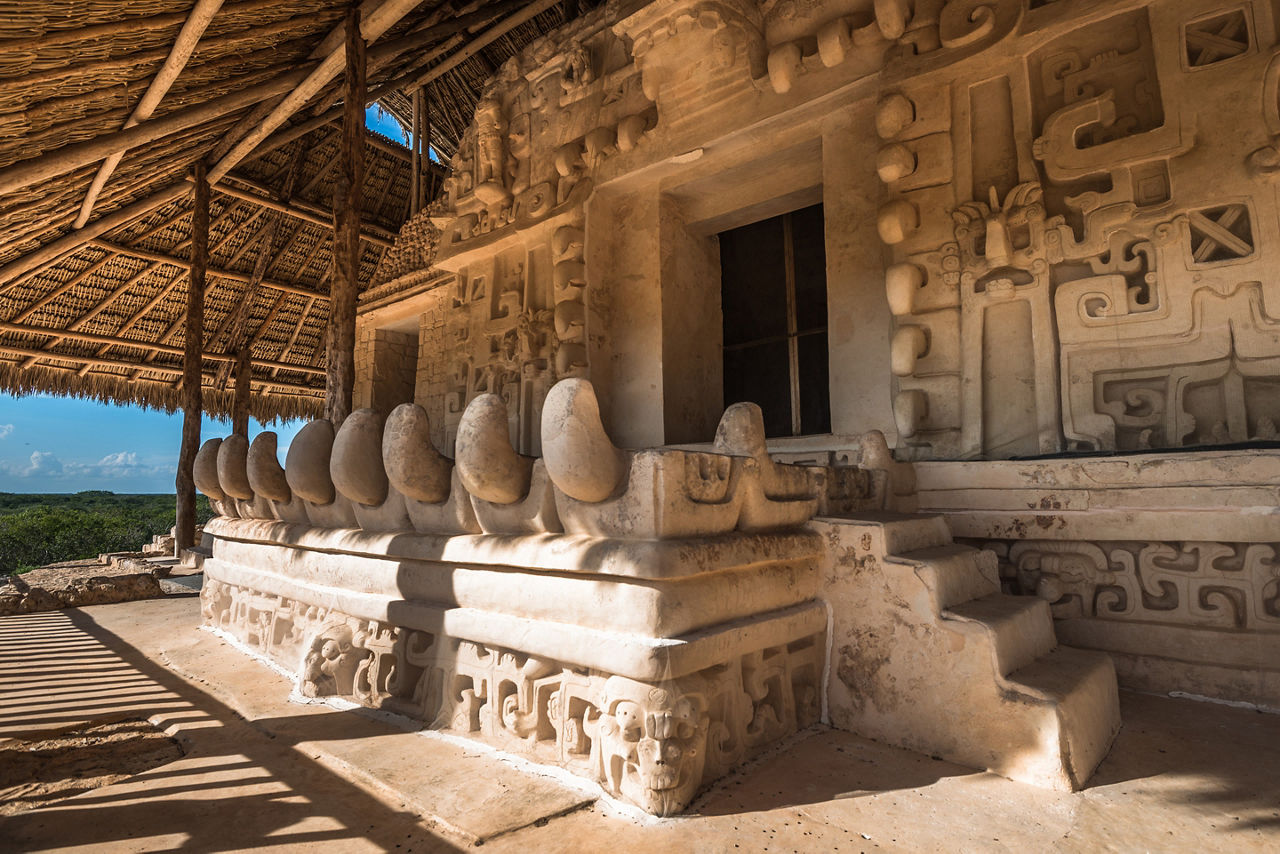
Ek Balam is a fascinating ancient Mayan city in Mexico, with a jungle still covering most of its structures. When you first see the area, it will probably remind you of movies you've seen. There's a ball court and arches surrounded by dense vegetation, as well as the famous giant Acropolis, which is a restored gallery made up of different chambers.
Inside the Acropolis, paintings accompany the writing on the walls. One painting in particular, the Mural of the 96 Glyphs, is often called a masterwork of calligraphy. Other paintings depict mythological scenes, the moment of death and various deities.
Something to keep an eye out for is the “sacbe” arch, which is an ancient road that connected Ek Balam to other Maya kingdoms like Chichen Itza. These roads were common in many Mayan cities. If you go to the very top of the main temple, you'll see Coba, another ancient city that was connected to Ek Balam by a “sacbe.”
The main pyramid in Ek Balam is a massive structure measuring 32 meters high. Its entrance was built to look like a huge jaguar mouth, and there are stucco sculptures surrounding the mouth that resemble skulls, Maya angels and shamans.
9. Uxmal
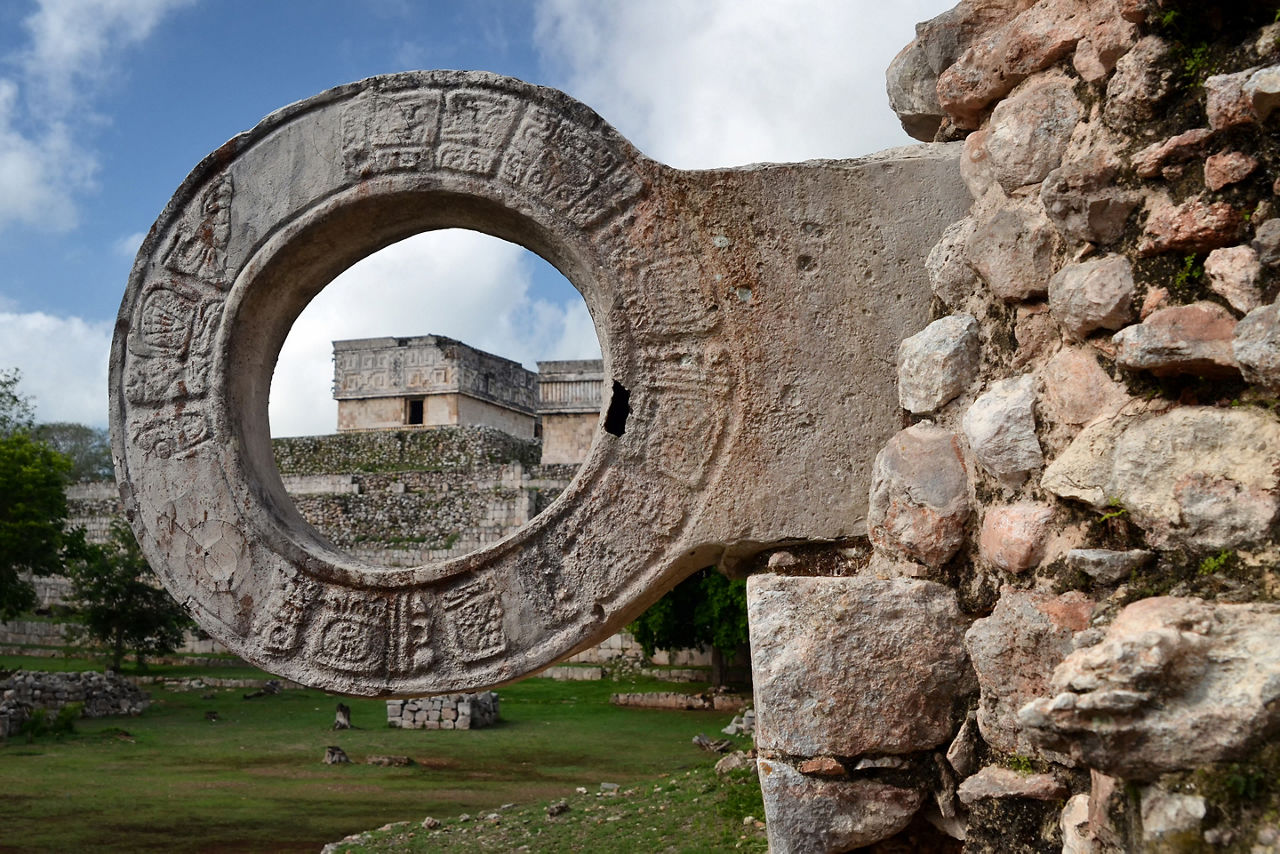
The Uxmal Mayan ruins are one of the most famous sites in Mexico. Uxmal means "built three times" in Mayan, referring to the intricate construction of the Pyramid of the Magician, which was built on top of other pyramids. It was home to more than 25,000 people and catapulted to notoriety around 700-900 A.D. The Maya who built it were well-versed in astronomy, structuring the buildings around a ceremonial center called the Pyramid of the Soothsayer.
Many buildings were decorated with motifs and sculptures of Chaac, the god of rain. This god was particularly honored because Uxmal lacked natural water supplies. Unlike other ancient cities, this one was not built near a cenote. The inhabitants of Uxmal were desperate for water and revered Chaac in the hope of getting enough rain to support their city.
Scholars consider Uxmal to be one of the high points of Mayan architecture, along with neighboring Ladbna, Sayil and Kabah. The most appealing parts of Uxmal are the ceremonial structures because they represent the pinnacle of Mayan achievement in design and art.
FAQs: Mayan Ruins
What Are the Most Famous Mayan Ruins?
Some of the most famous Mayan ruins in Mexico include Chichen Itza, Tulum, Coba, Palenque, Uxmal and Calakmul. These sites stand out for their impressive pyramids, detailed carvings and historical significance, offering a glimpse into the architectural and cultural achievements of the ancient Mayan civilizations.
Where Were the Mayan Ruins?
Mayan ruins are primarily located across southeastern Mexico and parts of Central America. In Mexico, they’re concentrated in regions like the Yucatán Peninsula (including Quintana Roo, Yucatán and Campeche) as well as Chiapas.
Important sites such as Ek Balam and Uxmal are found inland, while coastal ruins like Tulum overlook the Caribbean Sea. Beyond Mexico, Mayan ruins also extend into countries like Guatemala, Belize and Honduras.
Are the Chichen Itza or Tulum Ruins Better?
It depends on the experience you’re looking for.
Chichen Itza is larger, more popular and rich in astronomical and cultural significance, making it ideal for history lovers and first-time visitors. Its famous pyramid El Castillo is one of the New Seven Wonders of the World.
Tulum, on the other hand, offers a unique combination of history and scenery. Its cliffside ruins overlooking turquoise waters create one of the most picturesque settings in Mexico.
Whichever one you select, you’ll have a lovely time exploring and learning about the history of the site.
Were Mayans in Machu Picchu?
No, the Maya weren’t in Machu Picchu.
Machu Picchu was built by the Inca civilization, which was entirely separate from the Maya. The Maya lived in Mesoamerica (southern Mexico and Central America), while the Inca were based in South America, primarily in present-day Peru.
See Mayan Ruins for Yourself

Mexico contains pieces of history that you can see, touch and experience, all within reach. Walk around ancient abandoned cities and get a taste of what life would’ve been like during that time by taking a cruise vacation with Royal Caribbean.
Whether Tulum, Chichen Itza, Coba or other top destinations are on your must-see list, you won’t regret making stops to these unforgettable sites.


Related Articles
The Mayan Maize God: Corn's Sacred Role in Ancient Culture
READ MORE
5 Beautiful Churches in Mexico
READ MORE

Perfect Day Mexico: The World’s Longest Lazy River & More
READ MORE